When you think of the first impression a product makes, you’ll often picture a sleek box or a glossy sleeve. Yet, the real magic happens when that packaging tells a story, feels personal, and invites the customer to become part of a brand narrative. In this guide, we’ll explore how to provide customized packaging options that not only protect your goods but also create memorable experiences. From design fundamentals to practical implementation, you’ll learn how to turn ordinary packaging into Visit the website a powerful marketing tool—without breaking the bank or the planet.
The Power of Personalization in Packaging
Why Customization Matters
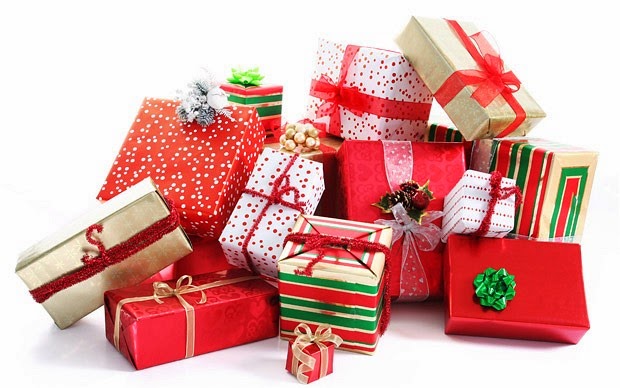
Imagine opening a gift that’s wrapped in a pattern you love, or receiving a product in a box that reflects your favorite colors. That instant delight is what brands aim for. Custom packaging turns a simple transaction into an emotional connection. According to a recent survey, 73% of shoppers say they’re more likely to buy from a brand that offers personalized packaging. So, why should you care? Because in a world saturated with mass‑produced goods, a unique box can be the difference between a sale and a missed opportunity.
Consumer Expectations Today
Have you ever wondered why some brands feel “on‑trend” while others look stuck in the past? The answer often lies in their packaging. Modern consumers expect:
- Visual appeal that matches the product’s quality. Eco‑friendly materials that align with their values. Functional features like easy opening or reusable design.
If you’re still sending your items in plain kraft paper, you might be sending your brand into the shadows. Think of packaging as the first handshake—make it firm, friendly, and unforgettable.
Designing Your Custom Packaging Strategy
Start with Your Brand Story
Your packaging should be an extension of your brand’s voice. Ask yourself: what story does my product tell? Is it playful, luxurious, or rugged? Once you have a clear narrative, translate it into visual elements—colors, typography, and imagery that resonate.
- Playful brands might use bright colors, quirky shapes, or bold illustrations. Luxury brands often favor minimalism, embossed textures, or metallic foils. Eco‑conscious brands emphasize natural hues, recycled paper, and plant‑based inks.
Choose the Right Materials
Material selection is more than a cost decision; it’s a statement about quality and sustainability. Consider the following options:
- Recycled cardboard – great for everyday items, low cost, eco‑friendly. Bamboo fiber – biodegradable, sturdy, and has a natural aesthetic. Biodegradable plastics – useful for moisture‑sensitive goods, still recyclable. Reusable glass or metal containers – premium feel, encourages reuse.
Balancing durability with environmental responsibility will help you meet both customer expectations and regulatory standards.
Practical Ways to Provide Customized Packaging Options
Print Techniques That Stand Out
Print is the most direct way to personalize packaging. Here are some techniques that can elevate your design:
- Digital printing – perfect for short runs and vibrant colors. Flexographic printing – economical for large volumes, offers crisp images. Foil stamping – adds a metallic sheen for a touch of luxury. Embossing/Debossing – creates tactile depth, ideal for premium packaging.
When selecting a print method, consider the product’s shelf life, the target market, and the desired visual impact.
Interactive and Functional Features
Adding a functional twist can turn ordinary packaging into a memorable experience. Think of these ideas:
- Pull‑tabs or magnetic closures – make opening effortless. Embedded QR codes – link to product tutorials or brand stories. Reconfigurable shapes – transform a box into a storage unit. Personalized messages – include a handwritten note or custom label.
These small touches can significantly boost perceived value and encourage repeat purchases.
Sustainability Considerations
“Green” is not just a buzzword; it’s a growing consumer demand. Here’s how to make your packaging eco‑friendly:
- Use FSC‑certified paper – ensures responsible forestry practices. Opt for soy‑based inks – lower VOC emissions. Design for disassembly – make it easy to separate components for recycling. Offer refill programs – let customers return empty containers for discounts.
By incorporating sustainable practices, you not only reduce your environmental footprint but also strengthen brand loyalty.
Implementation Tips and Common Pitfalls
Partnering with the Right Supplier
Your packaging partner is the bridge between design and production. Look for:
- Experience with custom orders – they should handle unique shapes and small batches. Quality control protocols – ensure consistent output. Transparent pricing – avoid hidden fees that inflate costs. Eco‑certifications – verify their sustainability claims.
Ask for samples before committing. A well‑chosen supplier can be the difference between a flawless launch and a costly mishap.
Keeping Costs in Check
Custom packaging can be expensive, but smart choices help manage budgets:
- Bulk ordering – negotiate discounts for larger quantities. Standardize certain elements – keep core design consistent while customizing only key details. Use digital mock‑ups – reduce the need for physical prototypes. Leverage seasonal promotions – align packaging themes with holidays to drive sales.
Remember, a modest investment in packaging can pay dividends in customer retention and word‑of‑mouth marketing.

Testing and Feedback Loops
Before rolling out nationwide, pilot your packaging with a select group of customers. Gather insights on:
- Ease of use – does the design work in real life? Aesthetic appeal – do customers find it attractive? Environmental impact – are they satisfied with the eco‑friendly aspects?
Use surveys, social media polls, or focus groups. Continuous improvement turns packaging into a dynamic asset rather than a static cost.
Making Your Selection Count
Packaging isn’t just a protective layer; it’s a silent salesman that whispers “you’re special” to every customer. By thoughtfully combining brand storytelling, material choice, print techniques, and sustainability, you can provide customized packaging options that resonate, delight, and convert.
> “Packaging is the first impression a product has on a customer. It can be the difference between a sale and a missed opportunity.” – Industry Expert, Packaging Today
So, are you ready to elevate your brand’s first impression? Start by mapping your brand story, choosing the right materials, and partnering with a supplier that shares your vision. The next time a customer opens your product, let the packaging speak louder than Bath & body products the product itself. And remember: a well‑designed box can be as powerful as a perfectly pitched sales email—only it’s physical, and it stays with the customer long after the purchase is complete.